AI toys are the fastest-growing hardware category this year. But the label “AI toy” has been stretched thin — everything from a ¥99 voice story machine to a ¥2000 AI educational robot gets called one. This guide helps you tell them apart and choose what you actually need.
Product photo from the AliExpress listing.
Category Breakdown
1. AI Voice Story Machines (¥99 - ¥300)
The most basic category. Essentially a speaker with a built-in LLM that can tell stories, answer questions, and chat with kids.
- Pros: Cheap, easy on parents’ wallets
- Cons: Content quality varies wildly — many are just “a connected voice assistant in a new shell”
- Best for: Ages 3-6, families trying AI toys for the first time
- Watch out: Prioritize content moderation and parental controls; avoid no-name brands
2. AI Plush Toys (¥300 - ¥800)
The category that blew up last year. A plush doll plus a conversational LLM that remembers your child’s name, chats with them, and tells personalized stories.
- Pros: Strong emotional companionship — kids genuinely treat them as friends
- Cons: Big privacy concerns (built-in microphone is always listening)
- Best for: Ages 4-10, only children, or situations where companionship matters
- Watch out: Prefer established brands with on-device data processing and clear privacy policies
3. AI Educational Robots (¥800 - ¥2000)
Learning devices with screens or robotic arms that teach English, coding, and math — some are programmable.
- Pros: Strong educational value, parents are willing to pay
- Cons: Expensive; content updates depend on the vendor, and many end up gathering dust
- Best for: Ages 6-12, families with clear learning goals
- Watch out: Course content quality and update frequency matter more than the hardware itself
Pitfall Checklist
- Skip “rebranded” products: If the AI features are just a gimmick on what’s really a plain Bluetooth speaker, the value is terrible
- Privacy first: Always check the privacy policy on kids’ devices; prefer on-device processing over cloud uploads
- Check content moderation: Anything an LLM outputs directly to children must have strict filtering
- Don’t pay an “AI premium”: At the same price, compare content quality, battery life, and build first — AI is a bonus, not everything
- After-sales matters: Small vendors may stop service within six months, and an AI toy without network access is scrap metal
Our Recommendations
- Entry level: A ~¥300 AI story machine — first see if your child actually enjoys conversational interaction
- Mid range: A ~¥600 branded AI plush toy — the companionship value is most tangible here
- Learning focused: Pick an educational robot based on your child’s interests — English or coding, choose one, don’t overdo it
Learning pick: DOGZILLA-Lite AI Bionic Dog Robot
Product photo from the AliExpress listing.
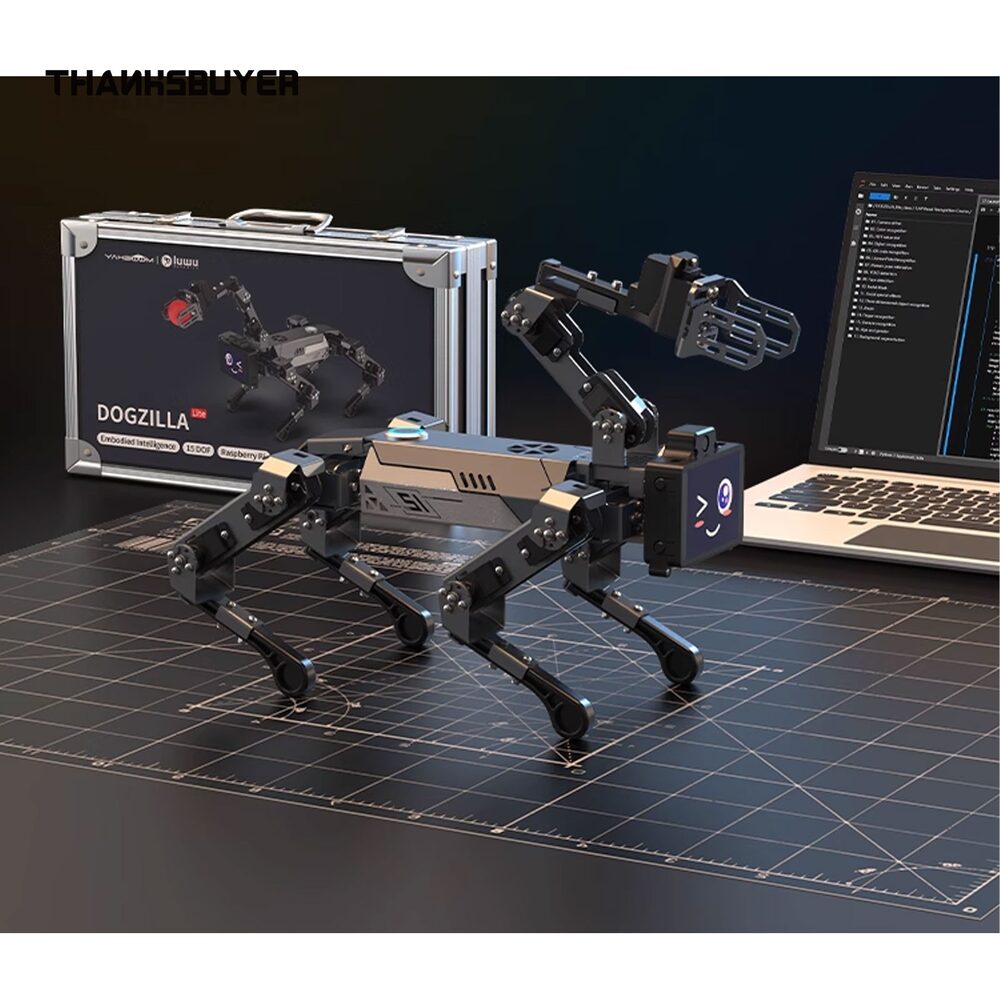
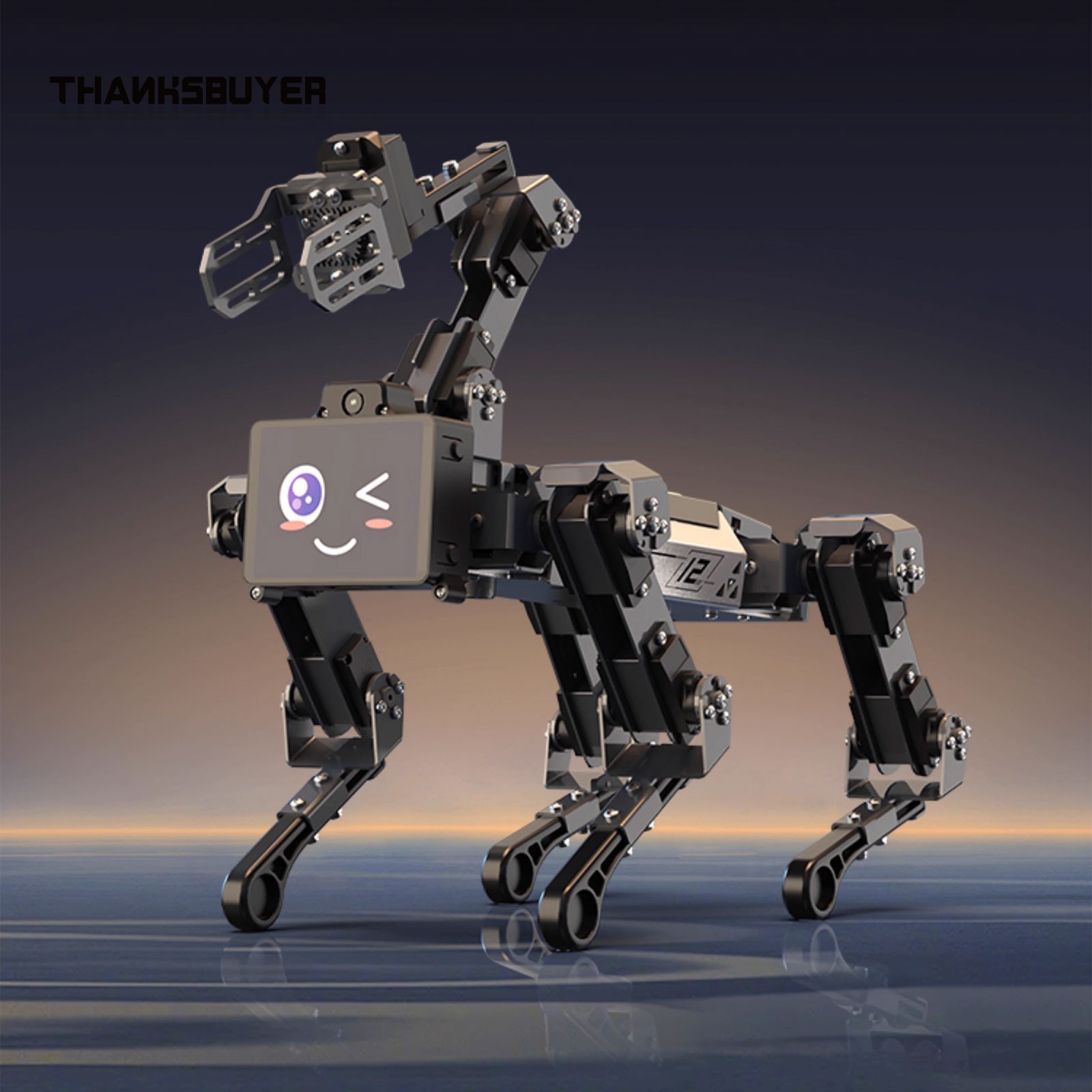
If you want to go beyond story machines, the DOGZILLA-Lite is a bionic robot dog with a Raspberry Pi main controller, a 5MP camera, and a 3DOF robotic arm — 15 degrees of freedom in total. It’s a real programmable platform: kids can learn block-based or Python coding while the robot walks, sees, and picks things up. Priced around $718 on AliExpress (down from the $1,436 list price), it sits at the top of the educational robot range and suits ages 10 and up who are ready for something closer to a real robotics kit.
Check the DOGZILLA-Lite price on AliExpress
Affiliate link — we may earn a commission at no extra cost to you.
Want us to review a specific model? Leave a comment and we’ll arrange a hands-on test.