Bottom line: In 2026, AI is a core selling point of flagship phones, not a nice-to-have. But on-device AI can do less than you’d imagine — and more than you’d expect in practical ways.
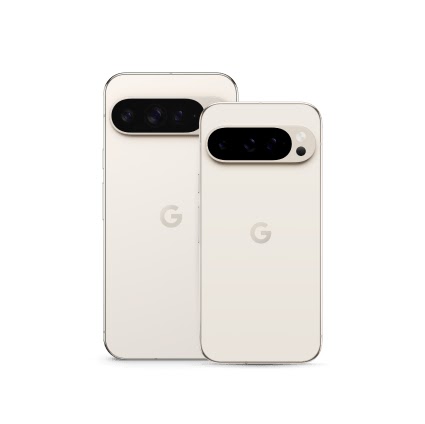
Representative flagship AI phone: Google Pixel 9 Pro. Official product image from Google Store.
On-Device AI: Intelligence That Works Offline
Tested in airplane mode: the local LLM handled full-text summarization, keyword extraction, document translation, and simple Q&A.
- A 5,000-character meeting summary was distilled offline in 3 seconds
- Offline translation of English emails came close to online translation quality
Privacy is the biggest selling point: these operations stay entirely on-device — data never leaves your phone. For business users, that’s a real, concrete need.
AI Photography: The Most “Wow” Scenario
- Tourist removal: One tap erases crowds from scenic photos, with natural edge handling (8 out of 10 shots were usable in our tests)
- Face fixing in group shots: Closed eyes get replaced with open-eye expressions automatically — surprisingly good results
- AI outpainting: Automatically extends the frame when the composition is off; imperfect but workable
Real-Time Call Translation
On a call with a foreign client speaking English, the phone displayed Chinese text in real time, and my Chinese replies were spoken back in English automatically. Latency is about 1.5 seconds, and accuracy holds up for business conversations. In 2025 this was still a concept; now it’s standard on flagships.
Don’t Get Fooled by the “AI Phone” Hype
- On-device models can’t handle complex reasoning — don’t expect a ChatGPT-level model running locally
- “AI photography” isn’t good on every phone — check real reviews before buying
- Many AI features need a connection; the ones that work in airplane mode are a short list
Final Score: 4.2 / 5
Points deducted because AI features have become a disguised price hike and the ecosystem fragmentation is severe — switching brands means abandoning the AI features you’ve gotten used to. But the on-device direction is right, and the next generation will be more mature.
✅ Pros
- On-device AI summaries and search: work offline and fast
- AI photo editing: tourist removal and group-photo face fixing are genuinely useful
- Real-time call translation: a lifesaver for cross-border calls
- Local small models are privacy-friendly — data never leaves the phone
❌ Cons
- On-device models are limited; complex tasks still need the cloud
- AI features have become a new premium — same specs cost noticeably more
- Each vendor's AI ecosystem is siloed, with big feature differences